Opening a new restaurant is exciting, but it can also feel overwhelming. Between choosing a location, hiring staff, and creating a brand, one decision influences almost everything else: the menu.
Your menu is not just a list of dishes. It shapes food costs, kitchen operations, customer expectations, marketing, and profitability. A well-planned menu helps guests understand your concept immediately, while a poorly planned one can create confusion, waste, and operational headaches before the restaurant has a chance to establish itself.
The good news is that successful menu planning is not about offering the most dishes. It is about creating the right selection of dishes that support your concept, attract your target audience, and allow your team to deliver consistent quality from day one.
Start With Your Restaurant Concept
Before choosing a single dish, you need complete clarity about what type of restaurant you are opening. The menu should be a direct extension of your concept rather than a collection of personal favorite recipes.
Think about who you want to serve and what experience you want guests to have. A neighborhood brunch cafe requires a completely different menu structure than a fine dining steakhouse or a fast-casual restaurant.
Ask yourself a few important questions:
- Who is the ideal customer?
- What price range fits the market?
- What cuisine or food style defines the brand?
- How large is the kitchen and staff?
- What makes the restaurant different from competitors?
When these answers become clear, menu planning becomes significantly easier because every dish can be evaluated against the restaurant’s overall vision.
Research The Market Before Writing The Menu
A menu should reflect customer demand while still giving your restaurant a unique identity.
Spend time studying competing restaurants in your area. Look at what dishes appear most frequently, which price points are common, and where competitors may be missing opportunities. Customer reviews can reveal valuable insights about what guests enjoy and what they feel is lacking.
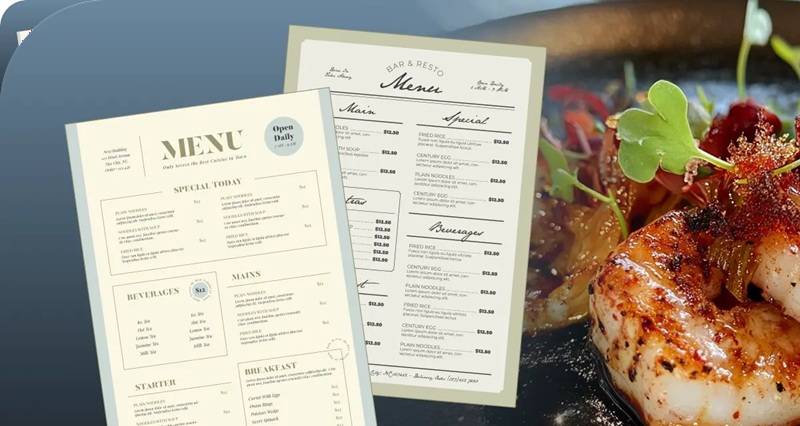
Many operators also find it useful to visualize their menu structure early in the planning process. Using a professional menu maker can help organize categories, pricing, and layout before the final design stage. Seeing the menu presented visually often makes it easier to identify gaps, redundancies, or sections that feel unbalanced.
The goal is not to copy competitors. It is to understand the local market well enough to offer something people actually want while still standing out.
Build A Balanced Menu Structure
Once the concept and market research are complete, focus on creating a menu structure that feels organized and intentional.
A common mistake among new restaurant owners is trying to offer too many options. Large menus increase inventory requirements, slow kitchen production, and often reduce overall food quality.
Instead, build categories that make sense for your concept.
| Menu Section | Purpose |
| Starters | Introduce flavors and increase average check size |
| Main Courses | Core revenue-generating dishes |
| Sides | Add flexibility and customization |
| Desserts | Encourage additional spending |
| Beverages | Support profit margins and guest experience |
Each section should feel complete without becoming overcrowded. Customers generally prefer menus that are easy to navigate and quick to understand.
After outlining categories, begin selecting dishes that fit naturally within each one while maintaining a consistent theme.
Design Dishes Around Operational Reality
Creative dishes are exciting, but practicality matters just as much.
Every item on the menu must work within the limitations of your kitchen, staff skill level, equipment, and service style. A dish that looks impressive on paper may create serious challenges during a busy dinner rush.
Consider preparation time, ingredient availability, storage requirements, and consistency. The best opening menus often feature dishes that share ingredients across multiple recipes because this reduces waste and simplifies inventory management.
Important: Every menu item should earn its place by contributing to profitability, operational efficiency, or brand identity. Ideally, it should support all three.
A streamlined menu often performs better than an ambitious one because consistency builds customer trust. Guests are far more likely to return when every dish arrives exactly as expected.
Price Menu Items Strategically
Pricing is one of the most important parts of menu planning, yet many new restaurant owners approach it emotionally rather than strategically.
Start by calculating the exact cost of every ingredient used in each dish. Then factor in labor, overhead expenses, and desired profit margins.
The relationship between food cost and menu price should remain sustainable. According to the National Restaurant Association, food and labor remain the two largest operating expenses for restaurants, making menu pricing a critical factor in profitability.
Avoid pricing solely based on competitors. Their costs, business models, and profit goals may be very different from yours.
Instead, focus on creating a pricing structure that reflects value while supporting long-term financial health. Guests are often willing to pay more when they perceive quality, consistency, and a strong dining experience.
Test The Menu Before Opening
Even the most carefully planned menu should be tested before opening day.
A soft launch, tasting event, or limited preview allows you to gather valuable feedback while identifying operational issues. This stage often reveals problems that are difficult to spot during planning.
Pay close attention to:
- Preparation times
- Portion sizes
- Guest reactions
- Ingredient usage
- Kitchen workflow
- Staff confidence with recipes
Sometimes a dish that seems promising simply does not resonate with customers. Other times, a simple adjustment can transform an average item into a bestseller.
Testing helps reduce risk and improves confidence before the restaurant begins serving larger volumes of guests.
Use Menu Psychology To Guide Customer Choices
Menu design influences purchasing behavior more than many people realize.
Research published in the International Journal of Hospitality Management has shown that menu design and item placement can significantly influence customer choices and spending behavior.
Strategic menu planning includes highlighting high-margin dishes, using descriptive language, and creating logical visual flow.
For example, guests respond more positively to menu descriptions that communicate flavor, preparation method, or ingredient quality. “Wood-fired rosemary chicken” often feels more appealing than simply “grilled chicken.”
At the same time, avoid overwhelming customers with excessive information. Clear descriptions and thoughtful organization help guests make decisions faster while improving their overall dining experience.
Conclusion
Planning a menu for a new restaurant opening requires much more than choosing dishes that sound appealing. The menu must support your concept, satisfy customer expectations, operate efficiently, and generate sustainable profits.
By starting with a clear vision, researching the market, building a balanced structure, testing carefully, and remaining flexible after opening, you create a menu that serves both your guests and your business. A thoughtful menu becomes one of the strongest tools for turning a new restaurant into a lasting success.
FAQs
1. How many menu items should a new restaurant have?
There is no universal number, but many successful new restaurants start with a focused menu of 20 to 40 items. This allows the kitchen to maintain consistency while keeping inventory manageable.
2. Should seasonal dishes be included on an opening menu?
Yes, if seasonal ingredients align with your concept. Seasonal dishes can create excitement, improve ingredient quality, and help differentiate the restaurant from competitors.
3. How often should a restaurant review its menu?
Most operators review menu performance monthly and conduct more substantial updates quarterly or seasonally based on sales data, ingredient costs, and customer feedback.
4. Is it better to offer unique dishes or familiar favorites?
A balanced approach usually works best. Familiar dishes attract customers, while unique offerings help establish a memorable identity and distinguish the restaurant from competitors.
5. Can digital menus help new restaurants?
Yes. Digital menus allow easier updates, quicker price adjustments, and the ability to showcase specials without reprinting materials, making them particularly useful during the early stages of restaurant operations.